
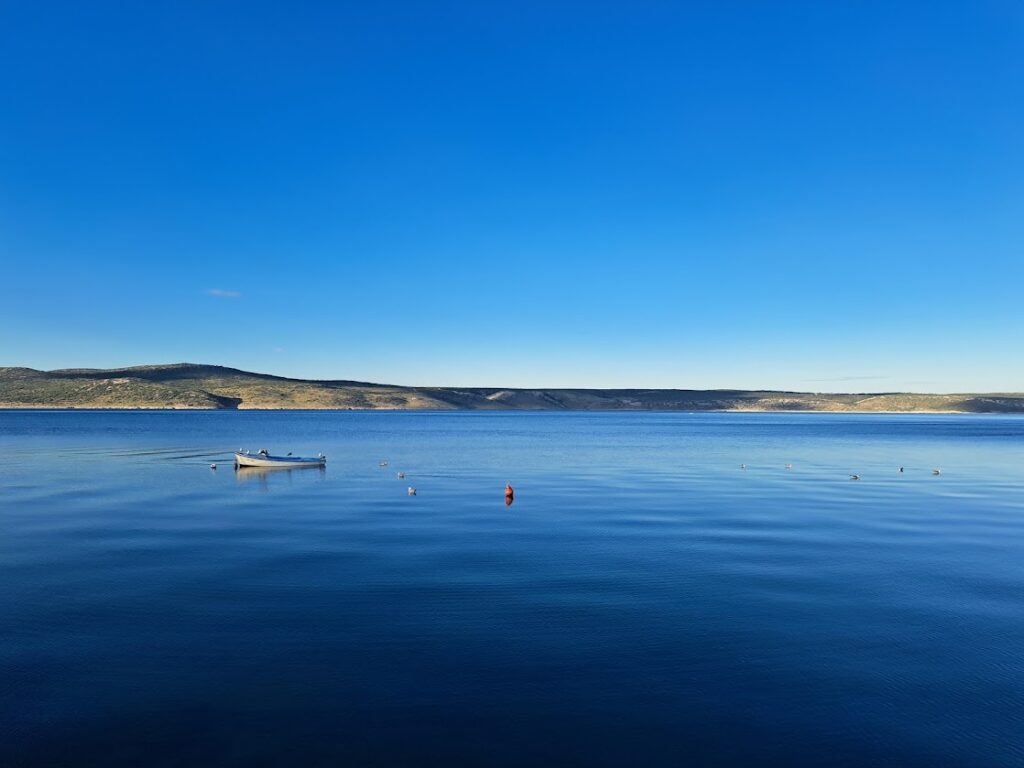
There is a moment in early September when something shifts along the Croatian coast. The last of the summer crowds board their ferries and flights home. The tavernas exhale. The sea, still warm from three months of sun, settles into a kind of glassy calm that July never quite manages. The light changes and does things to limestone and water that photographers travel thousands of miles to find. Most people who visit Croatia in the peak season miss all of this entirely.
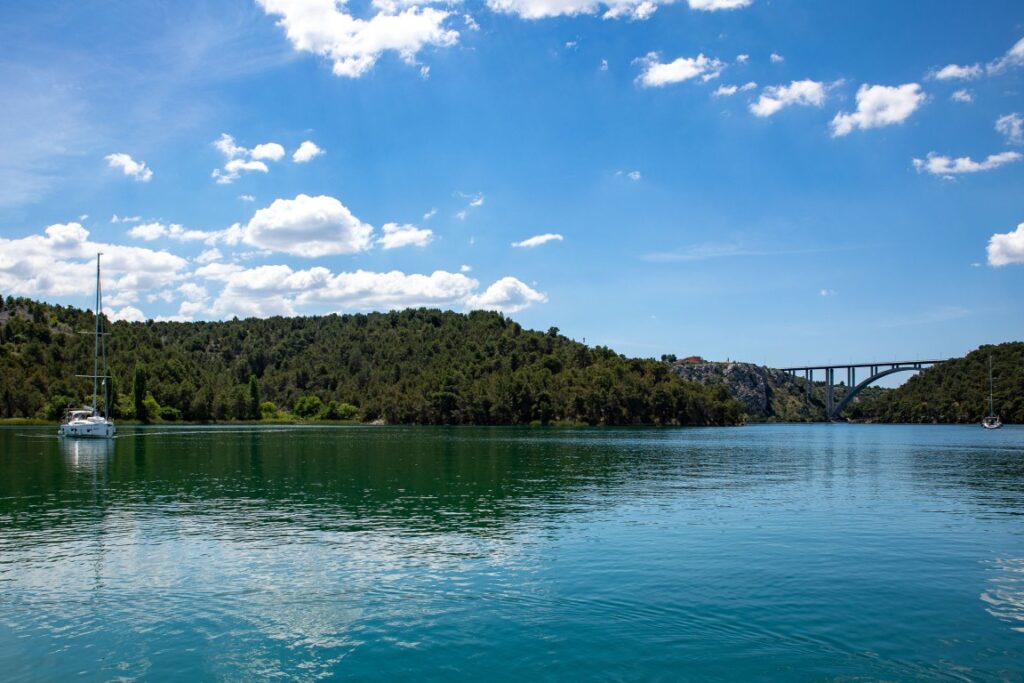
They come in July and August, because that is when Croatia appears in the magazine features and the Instagram grids. They queue for Plitvice. They eat dinner at 6pm because by 7pm the good tables are gone. They go home exhausted and slightly sunburned and tell their friends it was wonderful, which it was, but…
They didn’t see Croatia. They visited Croatia in high season, which is a different place entirely.
The sea is still warm — and it’s all yours
This is the detail that surprises people most. The Adriatic reaches its warmest point not in July but in late August and September, when the water has had all summer to absorb the heat. September sea temperatures around Starigrad Paklenica sit comfortably at 24–26°C — warmer than most British swimming pools and significantly warmer than the Mediterranean coast of France at the same time of year.
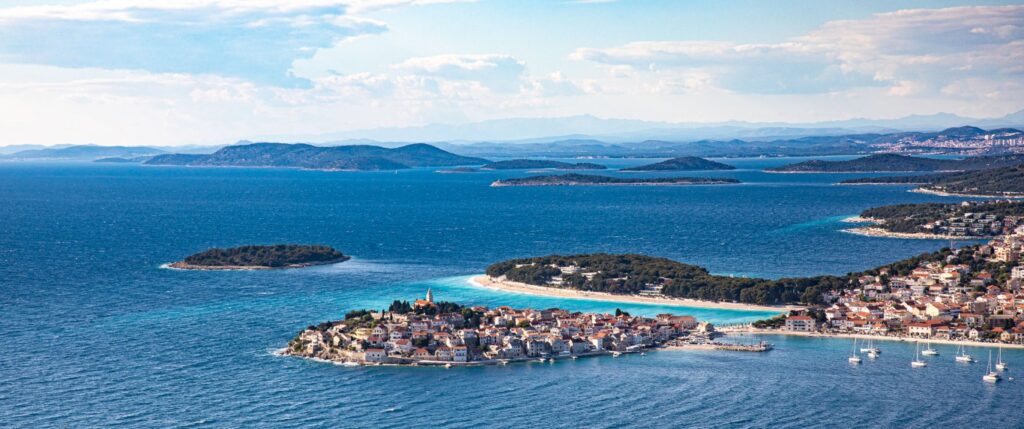
The difference is that in September, you are sharing that water with almost nobody.
The food tastes different
This sounds like the kind of thing people say, but it happens to be true. September is harvest season in Croatia — figs, grapes, the first pressing of the olive oil, tomatoes that have spent the whole summer turning slowly red in the heat. The markets change. The restaurant menus change. The farmers have things to offer that simply don’t exist in July.
If you visit a working OPG — a Croatian family farm — in September, you arrive at the moment when everything they have spent the year growing is ready. That is not a coincidence we plan around. It is the whole point.
The light is extraordinary
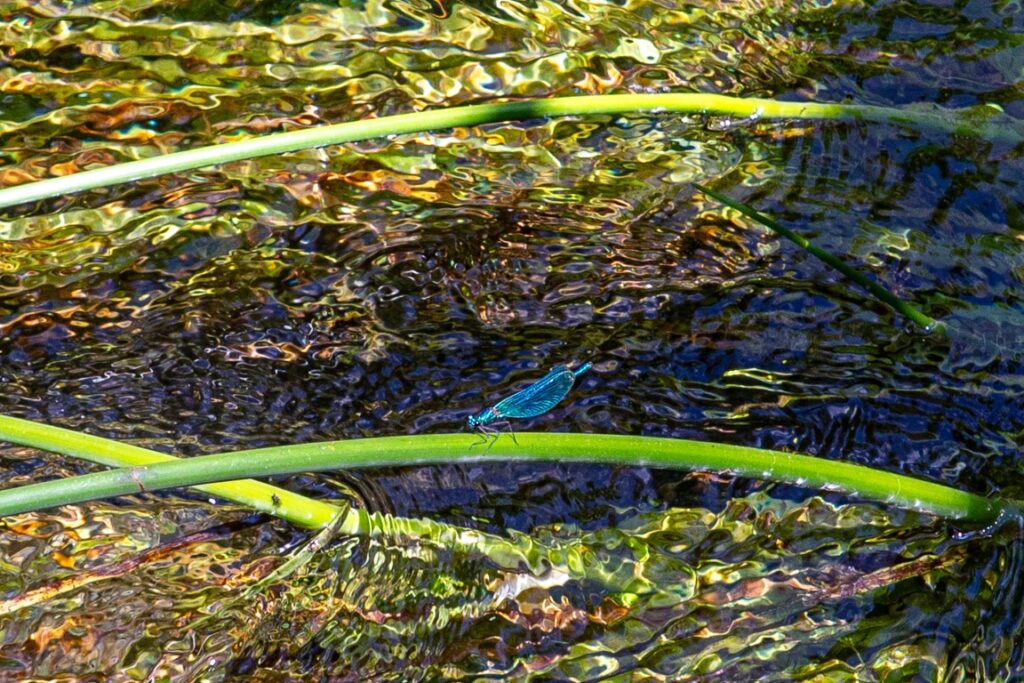
Ask any photographer who has worked along the Velebit mountains and they will tell you the same thing. Summer light in Croatia is harsh — bright and flat by mid-morning, bleaching the colour from stone and sea. September light is different. The sun sits lower, the air is cleaner after the summer heat breaks, and the hours around sunrise and sunset stretch in a way that makes the landscape look almost theatrical.
What you actually need to know to visit Croatia in September
Flights from UK airports to Zadar run through September and into October — Ryanair operates direct routes from London Stansted and other UK airports (Manchester and Newcastle), and fares in September and October are among the cheapest of the year. Pack a light layer for evenings, which cool pleasantly after the heat of the day. The sea is warm enough for swimming well into October.
One more thing worth knowing if you visit Croatia in September: the bura wind, a strong, cold, dry wind that comes down from the Velebit mountains, can arrive briefly in autumn. It is not dangerous, it is not unpleasant, and it passes quickly. If bura is on, you will appreciate an extra layer or two.
Visit Croatia in October — an honourable mention
If September is Dalmatia at its most perfectly balanced, October is Dalmatia at its most honest. The tourists are almost entirely gone. The light is dramatic rather than golden. The olive harvest begins in earnest. The sea is cooler but still swimmable for those who don’t mind and love the peace it brings. The mountains take on autumn colours.
There is a whisper, Croatian people like to keep to themselves, that October is actually the finest month to visit Dalmatia. Why we keep this only in a soft voice as a well kept secret? Only one way to find out.
Beyond Travel Guides runs small-group experiential tours based in Starigrad Paklenica in September and October. Maximum eight guests. No coaches. If this sounds like your kind of travel, you can find out more about our Croatia tour here.
Leave a Reply